

When you hold a beautifully printed box, open a neatly folded carton, or receive a product wrapped in an eco-friendly paper bag, it’s easy to admire the final result — but rarely do we think about the detailed process that brings it to life.
At Print Packaging China, packaging isn’t just about enclosing a product; it’s about crafting a brand experience. Every fold, print, and texture tells a story — your story. Let’s take a look behind the scenes at the step-by-step process that transforms an idea into a finished packaging masterpiece.
1. Understanding Product and Brand Requirements
This is always the first step. Every company begins by learning about the client’s product, target market, and design goals. This helps determine suitable materials, box styles, and printing methods. Whether it’s a small local shop or a large manufacturer, this stage is essential to get the foundation right.
2. Concept and Design Development
After gathering the requirements, the design team creates mockups or prototypes. Some clients provide ready artwork, but many rely on the company’s in-house designers. This stage involves choosing structural layouts, preparing dielines, and reviewing digital samples or 3D visuals. The process ensures the packaging design looks good and works well for the product.
3. Material Selection
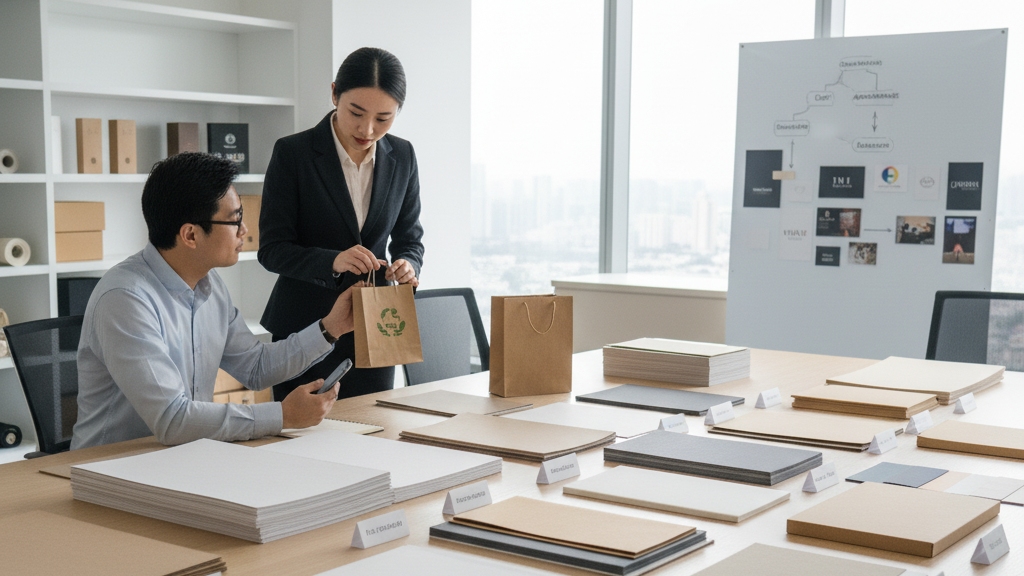
Every company guides clients in choosing materials based on their needs. Common options include paperboard, kraft paper, rigid board, or corrugated cardboard. The goal is to balance durability, appearance, and cost. Many manufacturers today also offer eco-friendly and recyclable paper materials to meet sustainability goals.
4. Printing and Finishing
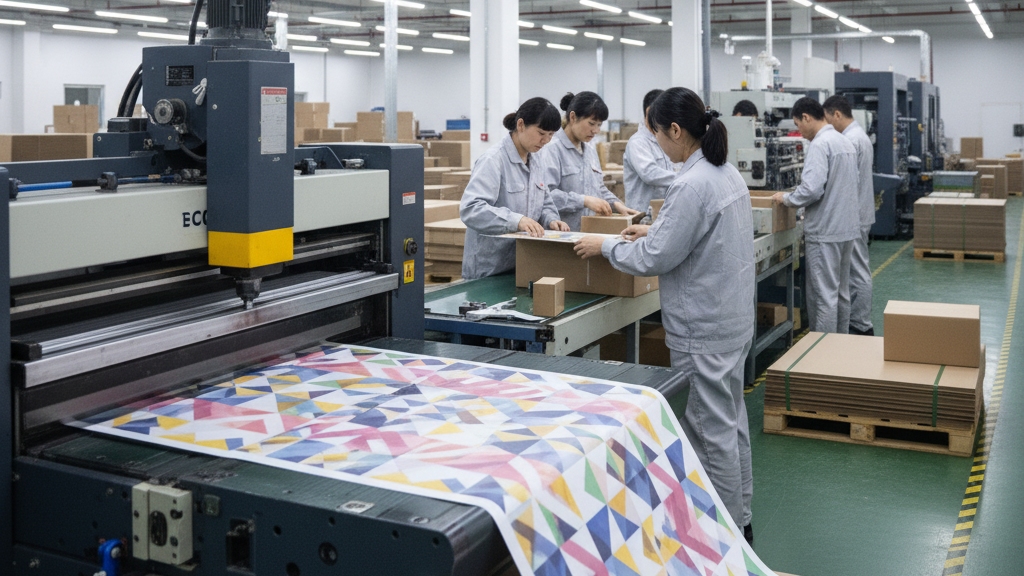
This is the most technical part of the process and is standard everywhere. Depending on the quantity and quality required, companies use offset, digital, or flexographic printing. Finishing touches such as lamination, foil stamping, embossing, and UV coating are added to improve durability and appearance. These options vary from one manufacturer to another, but the overall process is similar.
5. Cutting, Folding, and Assembling
Once the sheets are printed and finished, they are cut using die-cutting machines to match the packaging design. The pieces are then folded, glued, and assembled. For simple cartons, this is done by automated machines; for luxury boxes or detailed structures, it’s often done manually to ensure precision.
6. Quality Inspection
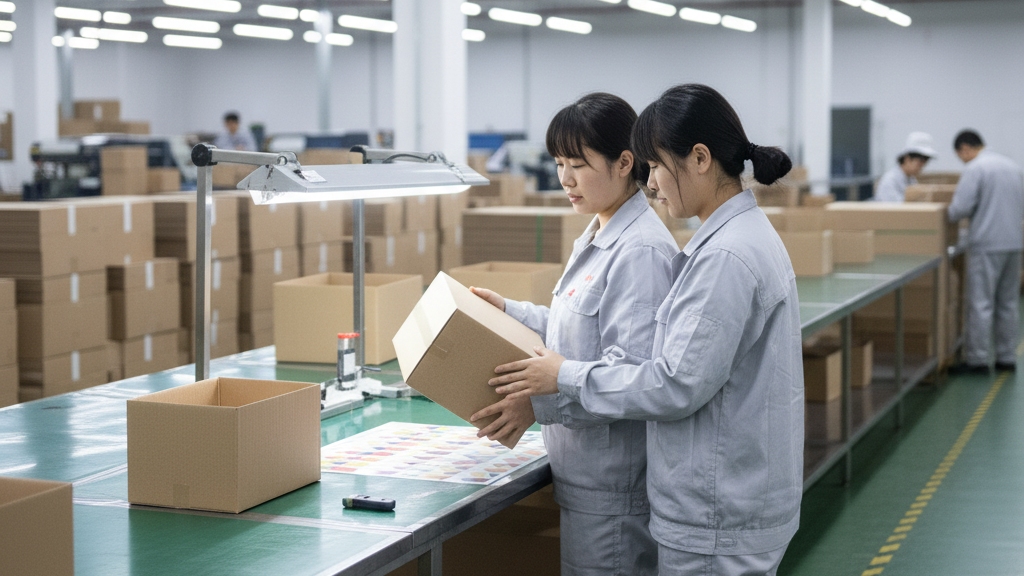
Quality control is a key part of every company’s process. Each batch is checked for proper alignment, color consistency, structural strength, and overall finish. The level of inspection varies depending on the project, but most companies perform sample checks or full inspections before shipping.
7. Packing and Delivery
After quality approval, the final packaging is carefully packed and shipped. Large factories use automated packing systems, while smaller firms may handle it manually. Proper labeling, documentation, and logistics coordination are part of this step, especially for export clients.
8. Sustainability and Innovation
This has become an important part of modern packaging. Many manufacturers now use recycled paper, soy-based inks, and biodegradable coatings. Some clients also prefer packaging certified by organizations like FSC. While smaller companies may still focus on cost efficiency, larger and export-focused factories increasingly invest in sustainable materials and innovative designs.
In summary
Yes, these steps are the normal, recognized workflow in the packaging industry. The differences between companies usually lie in how automated their production is, how advanced their printing technology is, and how much emphasis they place on sustainability.
For a company like Print Packaging China, which provides end-to-end printing and packaging services, this process accurately represents the way they would handle a project—from concept and design through to final delivery.